UK Gambling Commission Issues £150,000 Penalty to Holland Park Leisure Limited for Self-Exclusion Shortfall
Xander Lorenz · Aug 21, 2026

UK Gambling Commission Issues £150,000 Penalty to Holland Park Leisure Limited for Self-Exclusion Shortfall
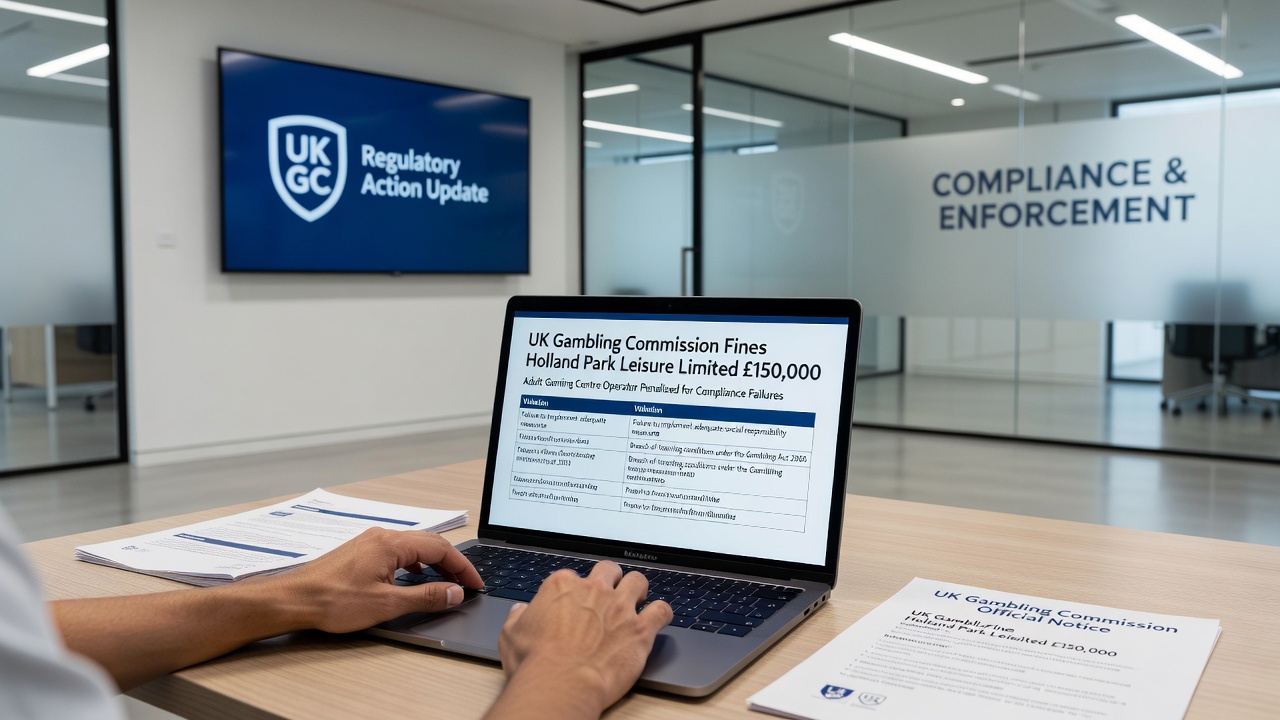
The UK Gambling Commission has imposed a £150,000 fine on Adult Gaming Centre operator Holland Park Leisure Limited after the company failed to meet a self-exclusion requirement intended to limit gambling-related harm, and this enforcement action forms part of updates published on the regulator's official site in recent weeks. Those updates reference a series of compliance reviews conducted throughout 2026, with the Holland Park Leisure Limited case standing as one distinct matter among several others addressed during the same period.
Background on the Specific Case
Holland Park Leisure Limited operates Adult Gaming Centres across locations in the United Kingdom, and the Commission determined that the operator did not uphold required standards for handling self-exclusion requests from customers who wished to bar themselves from gambling premises. Self-exclusion schemes allow individuals to request removal from gaming facilities for a set period, and operators must maintain accurate records while preventing access during that time. In this instance the regulator found gaps in the company's procedures that led to the financial penalty announced through its enforcement channels.
Regulatory records indicate the breach came to light during routine compliance checks, and the Commission applied the sanction after reviewing evidence of non-adherence to licence conditions. The fine amount reflects the seriousness of failing to implement self-exclusion properly, since such measures exist to support harm reduction across the gambling sector.
How the Enforcement Fits into 2026 Regulatory Activity
Throughout 2026 the Commission has continued to examine operator practices around player protection tools, and the Holland Park Leisure Limited matter aligns with that ongoing focus. Announcements on the regulator's site detail multiple enforcement steps taken in recent months, yet each case receives separate treatment based on its own facts. Observers note that August 2026 saw several compliance-related updates appear, including references to this particular fine alongside broader statements about industry standards.
Experts have pointed out that self-exclusion compliance requires operators to keep robust systems in place, including staff training, database checks, and timely updates when customers join exclusion lists. When those systems fall short, the Commission can issue financial penalties as one available response under current licensing rules.
Key Elements of Self-Exclusion Requirements
Self-exclusion forms a core component of responsible gambling frameworks in the United Kingdom, and operators must integrate these programmes into daily operations at every venue. The process typically involves recording customer requests accurately, verifying identities at entry points, and ensuring excluded individuals cannot participate in gaming activities during the chosen exclusion period. Data from the Commission shows that consistent application of these steps helps reduce potential harm, and failures in record-keeping or access control can trigger enforcement measures such as the one applied to Holland Park Leisure Limited.
According to information released via the Gambling Commission news page, the penalty stands as a direct consequence of the identified shortfall rather than any other unrelated factors. The operator remains subject to ongoing licence conditions that require continued adherence to self-exclusion protocols going forward.
Broader Context of Compliance Monitoring
Regulatory bodies conduct periodic audits of licensed operators to verify that harm-reduction tools function as intended, and the Holland Park Leisure Limited case illustrates how those audits translate into specific outcomes. Staff at Adult Gaming Centres must check exclusion databases before allowing entry, and any lapse in this verification process can result in sanctions. Figures released by the Commission indicate that enforcement actions in 2026 have addressed several such lapses across different operators, each handled on an individual basis.
Those who track gambling regulation note that financial penalties serve both as a corrective step and as a signal to the wider industry about expected standards. In the Holland Park Leisure Limited matter the £150,000 figure represents the Commission's assessment of the appropriate response to the documented non-compliance.
Conclusion
The £150,000 fine issued to Holland Park Leisure Limited highlights the Commission's continued emphasis on self-exclusion compliance as a key safeguard within the gambling sector. Details published on the regulator's site confirm the facts of the case and place the action within the sequence of 2026 enforcement updates. Operators across the Adult Gaming Centre category now have clear information about the consequences of failing to maintain required exclusion procedures, and future compliance checks will determine whether similar issues arise elsewhere.