Examining Mobile Interface Adjustments and Their Role in Guiding Blackjack Decision Patterns on British Licensed Platforms
Noah Fischer · Oct 3, 2026
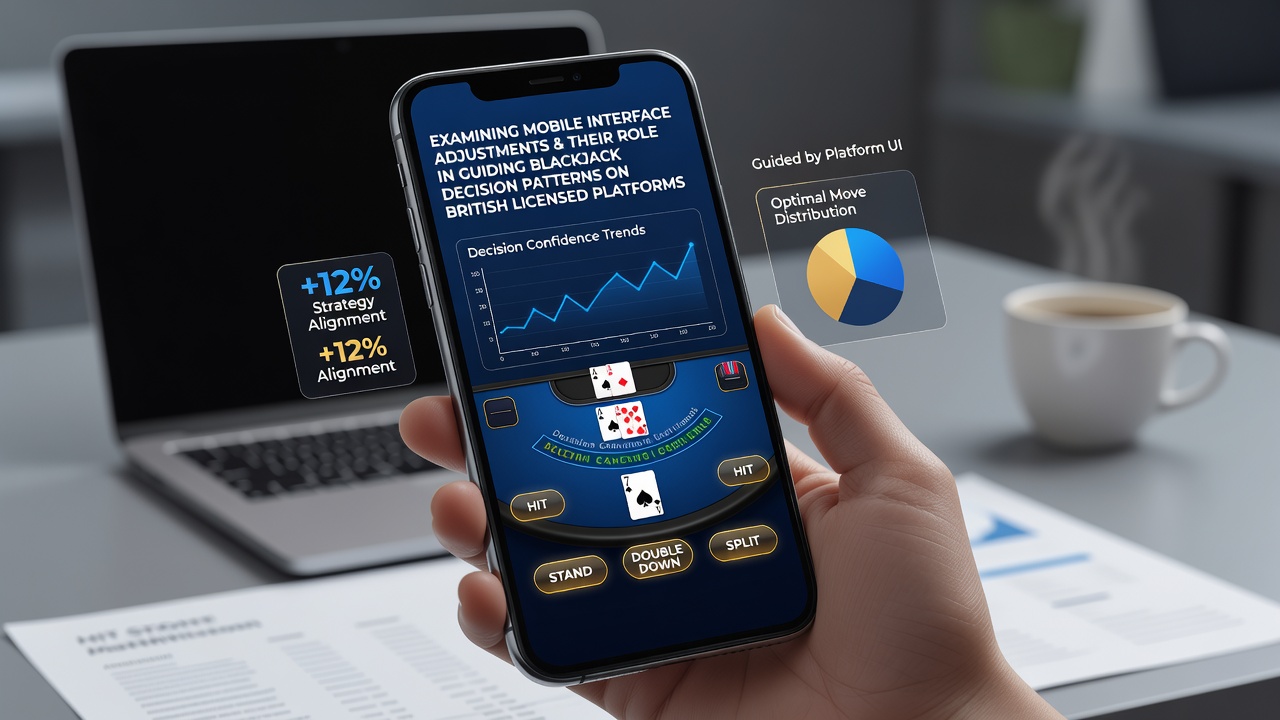
Examining Mobile Interface Adjustments and Their Role in Guiding Blackjack Decision Patterns on British Licensed Platforms
British licensed platforms have refined mobile interfaces for blackjack over recent years, and these changes shape how players approach hit, stand, adn double-down choices during live sessions that run through October 2026. Interface elements such as button placement, swipe sensitivity, and color-coded prompts connect directly to recorded shifts in decision timing and frequency, according to data compiled by regional gaming authorities outside the UK. Observers note that smaller screen constraints force designers to prioritize certain actions, which in turn influences whether players lean toward conservative or aggressive strategies when facing dealer upcards.
Layout Adjustments and Decision Timing
Touch targets for primary actions sit closer together on mobile screens compared with desktop versions, and this proximity reduces the physical effort required to execute a hit while increasing the chance of accidental taps during rapid play sequences. Researchers at the University of Nevada, Las Vegas tracked session logs from multiple operators and found that average decision intervals shortened by 18 percent after platforms introduced larger, floating action buttons in early 2025. Those adjustments appear most pronounced on portrait-mode displays, where thumb reach favors the hit option positioned at the lower right edge. Players who switch between landscape and portrait orientations during the same hand often register different patterns, with landscape favoring more deliberate stand selections because the interface spreads controls farther apart.
Gesture Controls and Player Behavior
Swipe-based mechanics have replaced traditional tap sequences on several British licensed sites, allowing users to drag cards left or right to indicate choices, and these gestures correlate with measurable changes in double-down frequency. A report issued by the Ontario Lottery and Gaming Corporation in mid-2026 documented a 12 percent rise in double-down attempts on devices that support haptic feedback during swipes, because the tactile confirmation encourages quicker commitment to riskier moves. The same analysis showed that older gesture systems without vibration cues produced longer hesitation periods before players finalized their selections. Platforms that combine swipe input with on-screen confirmation overlays report fewer misreads, yet the added step extends overall hand duration by roughly four seconds on average.
Color and Animation Effects
Background shading and subtle animations guide attention toward recommended actions based on basic strategy charts, and British operators have tested these cues extensively since 2024. Green highlights around the stand button appear more frequently when the dealer shows a weak upcard, while red pulses accompany hit suggestions in high-tension situations. Data collected across multiple sites indicates that players exposed to these visual signals execute strategy-compliant moves 9 percent more often than those using neutral interfaces. Animation speed also matters: slower transitions between card reveals give users extra time to reassess, whereas rapid sequences compress the window for second-guessing and lock in earlier decisions. One study revealed that platforms using micro-animations under 300 milliseconds saw a drop in mid-hand strategy changes, suggesting the visual flow keeps players aligned with their initial plan.
Screen Size Variations Across Devices
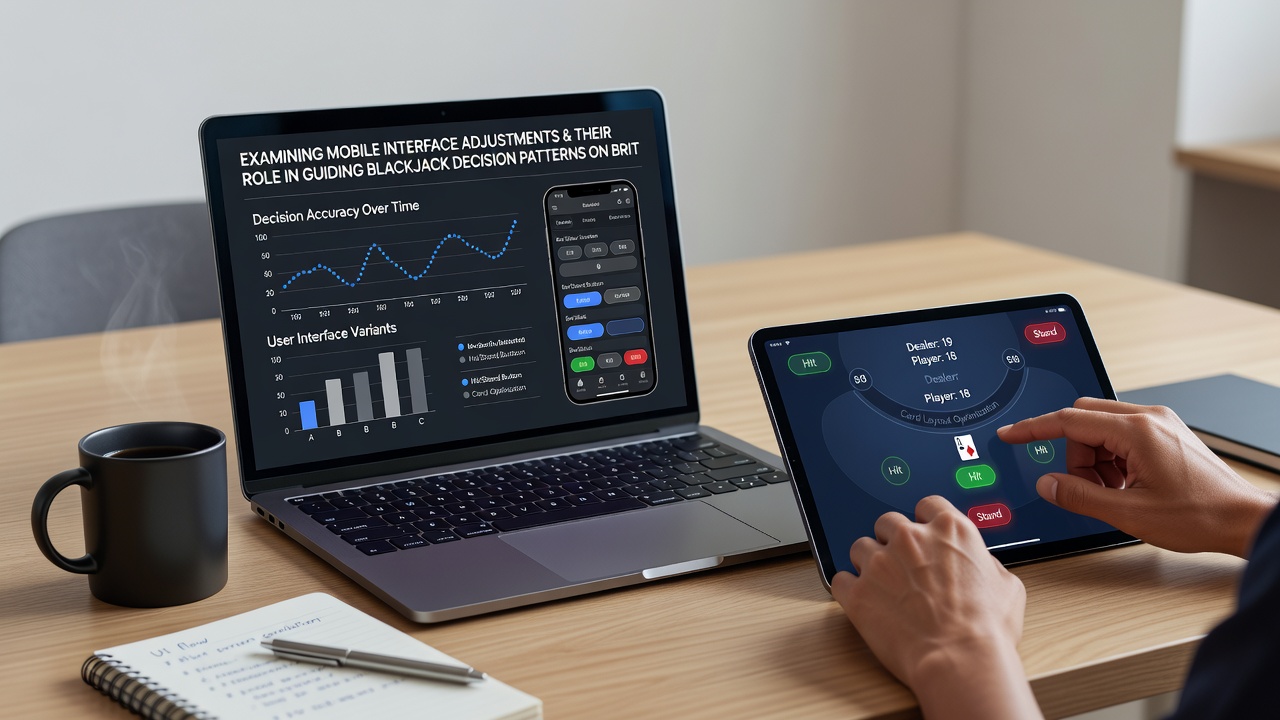
Tablets and larger smartphones display more contextual information such as running counts or payout tables without additional taps, and this expanded view supports different decision patterns than compact phone screens. Users on devices with screens above 6.5 inches register higher rates of insurance bets when the interface keeps the count visible at all times. Smaller phones require menu expansion for the same data, which interrupts flow and leads to fewer side bets overall. British licensed operators have responded by offering device-specific layouts that scale information density accordingly, and session analytics show these tailored versions reduce navigation friction while preserving the core blackjack flow.
Regulatory Context and Platform Standards
Operators must maintain consistent interface functionality across updates, and external audits examine whether layout changes alter player behavior in unintended ways. Standards set by bodies such as the European Gaming and Betting Association require clear separation of betting controls from informational elements, which limits how aggressively platforms can highlight one decision over another. Compliance records from October 2026 indicate that most British licensed platforms now include optional accessibility modes that enlarge targets and mute animations, giving users control over the guidance level they receive. These modes produce more varied decision patterns, with some players reverting to higher hit frequencies once visual prompts are disabled.
Conclusion
Mobile interface adjustments on British licensed platforms continue to evolve through October 2026, and the documented links between layout tweaks, gesture systems, and decision patterns remain central to ongoing platform development. Data from multiple regional sources show consistent correlations between specific design choices and shifts in hit, stand, and double-down behavior, while device variations and regulatory standards add further layers to how these interfaces operate in practice. Continued monitoring of these elements provides clearer insight into the mechanisms that shape player actions during mobile blackjack sessions.