Decoding How Seasonal Campaigns Shape Game Choices Across UK-Regulated Blackjack and Roulette Platforms
Uma Braun · Sep 5, 2026

Decoding How Seasonal Campaigns Shape Game Choices Across UK-Regulated Blackjack and Roulette Platforms
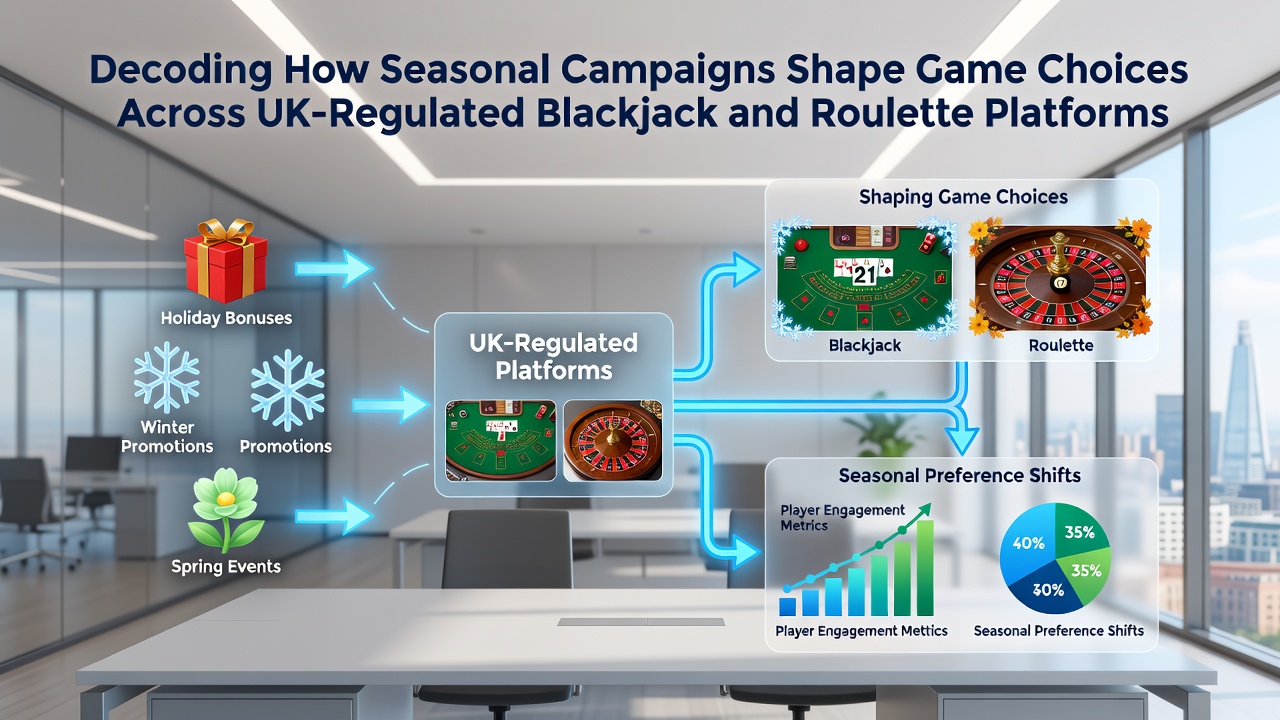
Seasonal campaigns on UK-regulated platforms create targeted promotions that tie into holidays and weather patterns, and these efforts directly influence whether players gravitate toward blackjack tables or roulette wheels during specific months. Operators adjust bonus structures, themed events, and loyalty rewards to align with periods like summer festivals or winter celebrations, which in turn shifts participation rates across both games.
Blackjack often sees increased activity when campaigns emphasize skill-based bonuses such as cashback on losses or multi-hand deals during autumn and early winter months, while roulette draws more attention through free spin mechanics and progressive jackpot tie-ins that peak around festive seasons. Data from industry tracking services shows these shifts occur because platforms time deposit matches and free bet offers to coincide with increased online traffic during school holidays and public events.
Seasonal Timing and Game Selection Patterns
Campaigns built around Christmas and New Year periods tend to favor roulette because the visual appeal of spinning wheels pairs well with festive imagery and group-oriented promotions, and this leads to measurable rises in roulette sessions compared with blackjack. Summer campaigns, by contrast, lean into outdoor themes that encourage shorter blackjack rounds suited to mobile play during travel months, and operators report higher session volumes for that game when beach or festival motifs appear in marketing materials.
Researchers at the Victorian Responsible Gambling Foundation have documented similar seasonal adjustments in international markets, where game preferences realign with campaign calendars rather than random player habits. Platforms in the UK follow comparable patterns because regulatory requirements demand clear separation between promotional periods and standard offerings, which forces operators to plan game-specific incentives well in advance.
Blackjack Response to Targeted Offers
Blackjack tables on regulated sites receive boosts from campaigns that reward consistent decision-making, such as reload bonuses available only after completing a set number of hands, and these mechanics keep players engaged longer during shoulder seasons like March and September. When platforms introduce limited-time side bets or rule variations tied to seasonal events, participation climbs because the offers create urgency without altering core game mathematics.
Observers note that blackjack volumes rise noticeably when campaigns include loyalty points that convert into tournament entries, particularly around back-to-school periods when many users seek structured entertainment. These incentives differ from roulette promotions because they reward prolonged table time rather than single-spin outcomes, and the distinction helps platforms balance traffic across their game libraries.
Roulette Trends During Festive Windows
Roulette experiences pronounced spikes when campaigns feature multiplier wheels or themed live-dealer rooms during Halloween and Easter breaks, and the visual elements of the game lend themselves to colorful seasonal overlays that attract casual players. Free bet credits distributed through app notifications during these windows convert into roulette sessions more readily than blackjack ones because the game requires less ongoing commitment per round.
Figures from the Canadian Centre for Gambling Research indicate that promotional timing influences game selection in ways that persist beyond the campaign window itself, with players returning to the same title in subsequent months. UK platforms apply similar logic by extending roulette-focused offers into September 2026 to capture post-summer traffic before the next major holiday cycle begins.
Regulatory Context and Platform Adjustments
UK operators must maintain transparent terms across all seasonal promotions, which means every bonus tied to blackjack or roulette appears with clear wagering requirements and expiry dates. This transparency shapes how campaigns influence choices because players can compare offers across platforms before committing funds, and the result is more deliberate game selection rather than impulse play.
Campaign calendars released in advance allow sites to rotate emphasis between the two games, preventing any single title from dominating year-round traffic. When September 2026 campaigns roll out, early indicators suggest continued rotation between skill-focused blackjack rewards and chance-oriented roulette multipliers to maintain balanced engagement across user segments.
Conclusion
Seasonal campaigns continue to steer player decisions between blackjack and roulette on UK-regulated platforms by aligning specific incentives with calendar events and user behavior data. The patterns observed through 2026 demonstrate that operators who time offers around established holidays achieve measurable redistribution of game activity, while regulatory frameworks ensure these shifts occur within defined boundaries. Continued monitoring of campaign outcomes will reveal whether these seasonal influences strengthen or evolve as new promotional tools emerge.