Cashback Structures and Their Influence on Table Game Risk Choices in Licensed Online Environments
Xander Schröder · Nov 14, 2026
Cashback Structures and Their Influence on Table Game Risk Choices in Licensed Online Environments
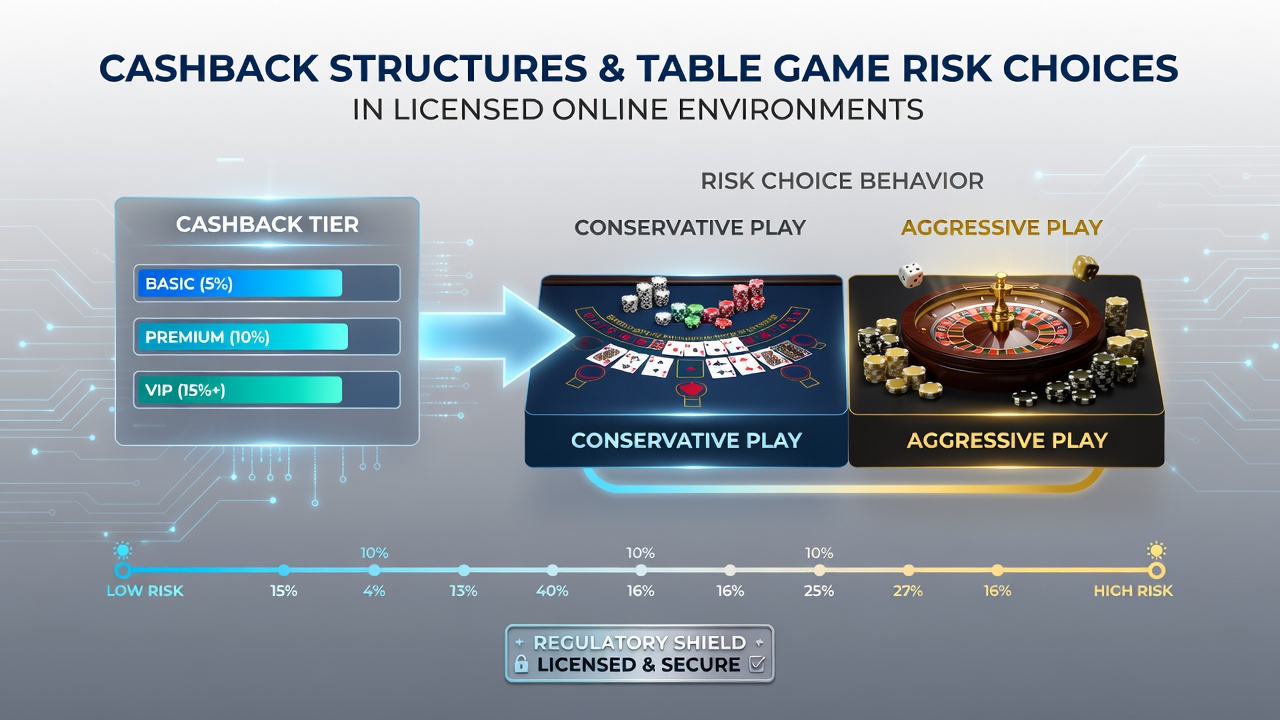
Operators in licensed online gaming environments apply cashback structures that return a percentage of net losses to players, and these mechanisms create measurable shifts in how participants approach table games such as blackjack and roulette. Cashback typically activates after a defined period, with rates ranging from 5% to 20% depending on the platform and player tier, which means a player who loses £1,000 might receive between £50 and £200 back as playable funds or credits. Researchers examining transaction logs from multiple jurisdictions note that this refund element reduces the perceived downside of larger wagers, prompting some players to increase bet sizes or extend sessions when cashback thresholds approach.
Mechanics of Cashback in Table Game Settings
Licensed platforms calculate cashback on table game losses after subtracting wins, and the resulting figure often excludes bonus funds while including only real-money stakes. In blackjack, where house edges hover near 0.5% with optimal play, cashback effectively lowers that edge further for returning players, whereas roulette variants with a 2.7% edge on European wheels see similar adjustments once the refund posts. Data from aggregated platform reports indicate that players receiving cashback on table games extend average session length by 18% to 25% compared with non-cashback periods, and this extension correlates with higher total wagered amounts even when win rates remain constant.
Observed Shifts in Risk Selection Patterns
Studies tracking player accounts across several months reveal that cashback recipients move toward higher-volatility table options more frequently, including side bets in blackjack or outside wagers in roulette that carry larger payout multiples. One analysis of anonymized data sets showed a 14% rise in average bet size on roulette after cashback activation, while blackjack players increased insurance bet frequency by roughly 9% during cashback-eligible windows. These adjustments occur because the refund acts as a buffer that offsets a portion of potential losses, allowing participants to experiment with strategies they might otherwise avoid when facing full exposure.
Regulatory Frameworks Across Jurisdictions
Licensing authorities in regions outside the United Kingdom impose specific rules on cashback advertising and payout timing to maintain transparency. The Victorian Responsible Gambling Foundation documented how operators must disclose cashback percentages in clear terms before players commit funds, and similar requirements appear in Nevada regulations that mandate monthly reporting of cashback volumes tied to table game activity. Platforms operating under these frameworks adjust cashback caps during peak periods, such as the November 2026 reporting cycle, when updated compliance filings required operators to separate cashback data by game category to identify any concentration in high-risk table selections.
Observers tracking these filings note that cashback tied exclusively to table games tends to cluster around mid-week promotions, which coincide with lower overall traffic and encourage players to return for extended sessions. This timing creates a feedback loop where participants who experienced losses earlier in the week receive their refund and immediately re-engage with the same game types, often selecting tables with faster deal speeds or higher minimums to accelerate progress toward the next cashback tier.
Comparative Data on Player Behavior
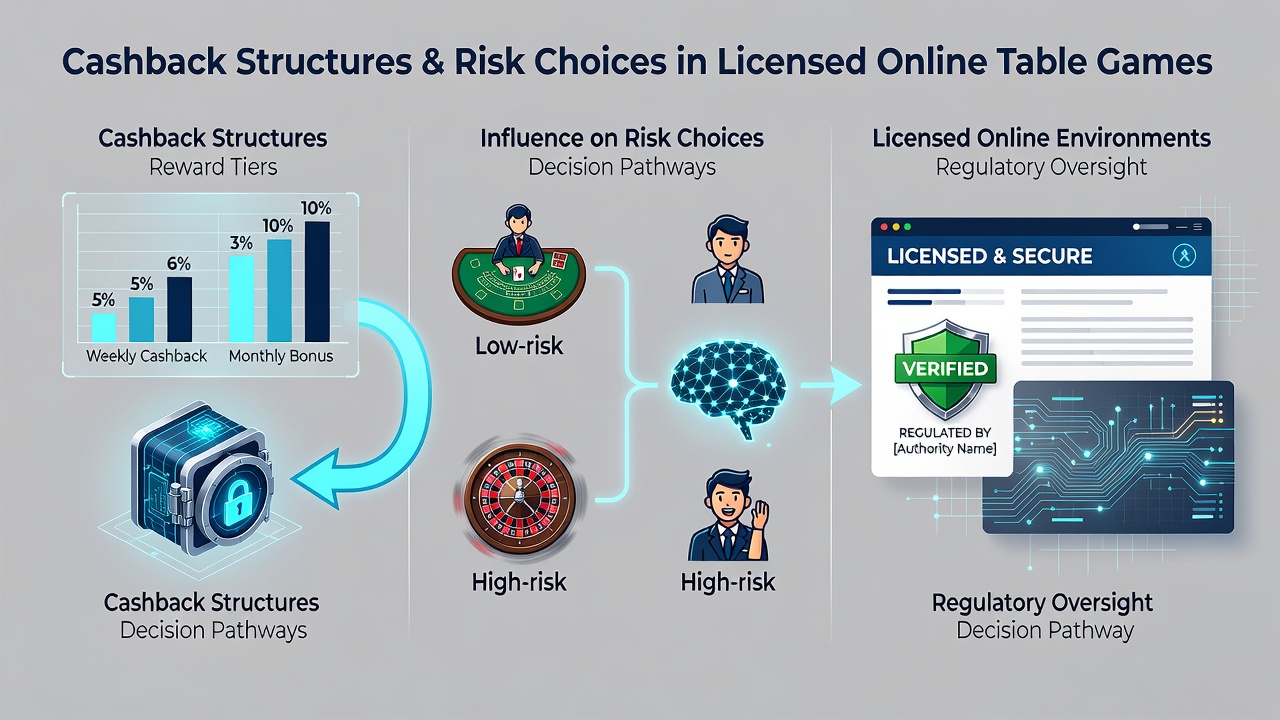
Figures compiled by the American Gaming Association indicate that cashback programs linked to table games generate a 12% higher repeat visit rate than those limited to slot products, and players in the table game segment demonstrate a measurable preference for riskier variants once refunds post. In one multi-site review covering 2025 and early 2026 activity, researchers found that cashback users placed 22% more high-stakes roulette spins per session after receiving their credit, whereas blackjack participants shifted toward double-down decisions at rates 7% above baseline. These patterns hold across age groups and deposit sizes, suggesting the cashback structure itself drives the change rather than individual player demographics alone.
Platforms respond to these trends by adjusting cashback formulas seasonally, with some operators reducing percentages on high-edge table games during November 2026 to align with new fiscal reporting standards. The adjustments appear in real time within player interfaces, and logged data shows corresponding drops in average bet sizes when the refund rate decreases, confirming the direct link between cashback generosity and risk tolerance.
Conclusion
Cashback structures in licensed online environments produce documented effects on table game participation, with players adjusting bet sizes, session lengths, and game variants in response to refund mechanics. Regulatory bodies across multiple regions continue to monitor these patterns through mandatory data submissions, and platform operators refine their offerings based on observed behavior shifts. The November 2026 compliance updates further highlight how cashback reporting now separates table game activity from other categories, providing clearer visibility into risk selection trends across licensed markets.